
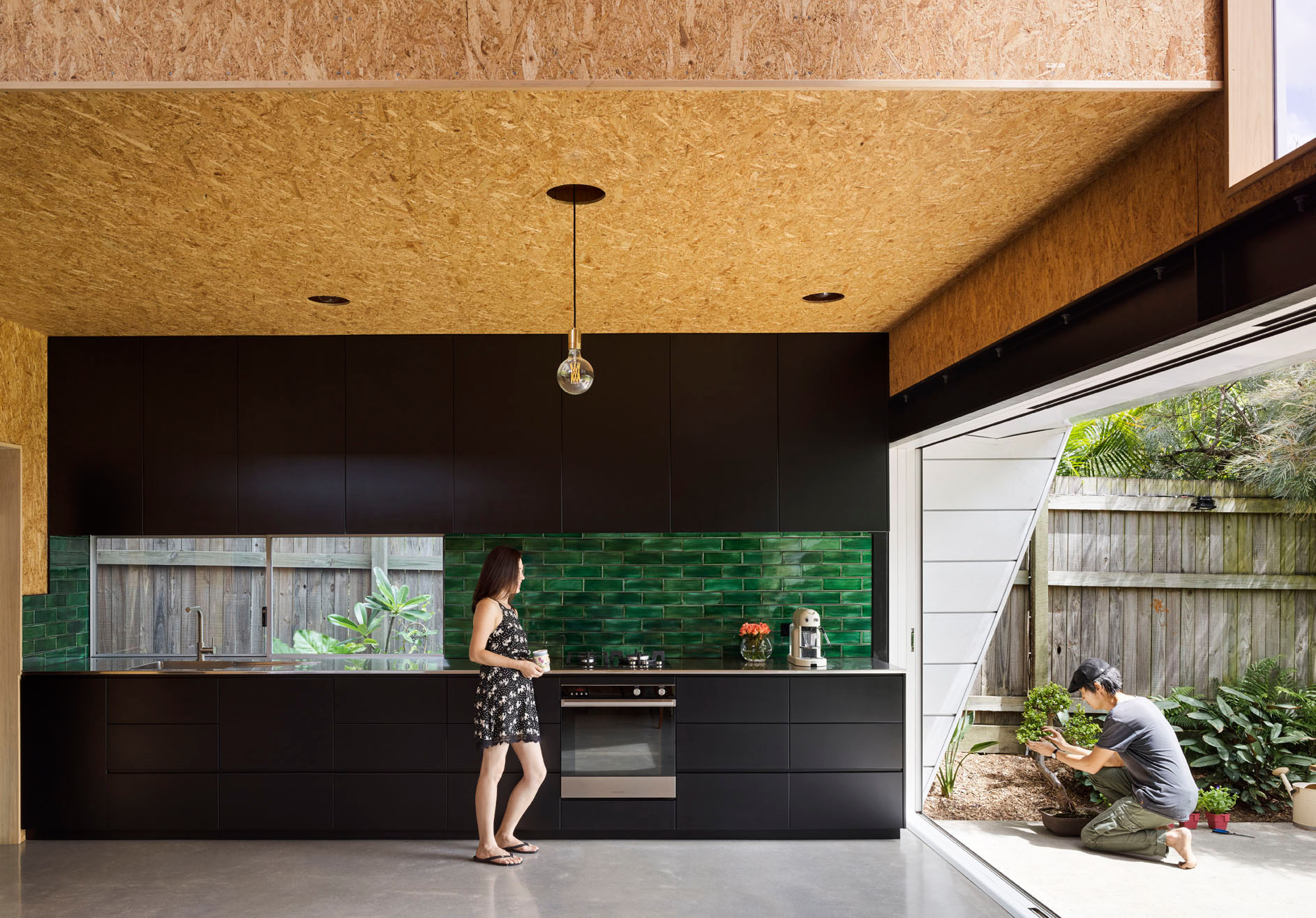
Architects today face growing pressure to design buildings that are energy efficient, structurally sound, visually appealing, and faster to deliver. Structural insulated panels, commonly known as SIP panels, help meet all of these demands at once. Their performance-driven design and construction flexibility have made them a preferred solution for architects working across residential, commercial, and institutional projects.
Design Freedom Without Compromise
One of the strongest reasons architects gravitate toward SIP panels is the creative freedom they offer. These panels support long spans and open layouts without excessive interior supports, allowing architects to design wide open living spaces, vaulted ceilings, and clean modern forms. Because SIP panels combine structural strength and insulation in one system, walls and roofs can remain slim while still delivering excellent performance.
This flexibility makes SIP panels ideal for both contemporary and traditional designs. Architects can achieve sharp geometric forms or classic proportions without sacrificing energy efficiency or structural integrity.
High Performance Building Envelopes
Energy performance is no longer optional in modern design. SIP panels provide consistent insulation across the entire building envelope, minimising thermal bridging and air leakage. This allows architects to meet or exceed strict energy codes with greater confidence.
Compared to conventional framing, SIP construction delivers predictable thermal performance, which simplifies energy modelling during the design phase. Many SIP panel manufacturers also provide detailed technical data, helping architects make informed decisions early in the project lifecycle.
Faster Construction Timelines
Architects value systems that reduce delays and improve coordination on site. SIP panels are prefabricated under controlled conditions, which leads to accurate dimensions and fewer on-site modifications. This precision shortens construction schedules and reduces coordination issues between trades.
Because panels arrive ready to install, framing, insulation, and sheathing are completed in a single step. This efficiency helps architects keep projects on track while maintaining design intent.
Consistency Through Controlled Manufacturing
Modern SIP production often takes place in factory settings using controlled environment panels. This approach ensures consistent quality, precise tolerances, and dependable performance across every panel. Architects appreciate this reliability, especially on projects where tight specifications and performance targets are critical.
Controlled manufacturing also reduces waste and limits weather-related construction delays, which supports more predictable project delivery. With standard site-built assemblies, it’s hard to get this level of consistency.
Seamless Integration With Other Systems
SIP panels integrate well with a variety of exterior finishes, interior materials, and structural systems. Architects can easily combine them with wood framing, steel elements, or hybrid assemblies. They also pair effectively with metal insulated panels in commercial and industrial applications, offering architects a cohesive strategy for mixed-use or multi-material designs.
This compatibility allows SIP panels to be used across different building zones without disrupting visual continuity or structural logic.
Improved Indoor Comfort and Acoustics
Architects increasingly focus on occupant experience, not just aesthetics. SIP panels contribute to quieter, more comfortable interiors by reducing air movement and sound transmission. The airtight nature of SIP construction helps maintain stable indoor temperatures and supports advanced ventilation systems.
This enhanced indoor environment aligns well with wellness-focused design principles and client expectations for long-term comfort.
Sustainability That Supports Design Goals
SIP panels support sustainable building strategies by lowering operational energy use and reducing material waste. Many SIP panel manufacturers offer environmentally responsible options that align with green building certifications.
Architects appreciate that sustainability can be achieved without compromising design quality. SIP panels allow them to meet environmental goals while delivering visually compelling, durable buildings.
A Smarter Way to Build
Architects love SIP panels because they simplify complex design challenges. With strong structural performance, superior insulation, faster construction, and reliable manufacturing, SIP panels offer a complete solution for modern architecture. As demand grows for efficient, resilient, and sustainable buildings, SIP panels continue to give architects the tools they need to design with confidence and creativity.